Understanding Heating And Cooling Solutions: Important Insights on Cooling Units and Their Common Issues
Comprehending cooling and heating systems is crucial for keeping comfortable indoor climates. Air conditioning systems play a considerable function in this, depending on components like compressors and evaporator coils to function effectively. They are not without issues. From poor cooling to uncommon sounds, these problems can disrupt convenience - AC Repair Tampa FL. Identifying and addressing them very early is crucial. What usual obstacles do house owners face, and exactly how can they guarantee their systems run efficiently?
The Essentials of A/c Equipments
Cooling and heating systems, essential for maintaining interior comfort, include air, air flow, and heating conditioning technologies. These systems work together to control air, temperature level, and humidity quality within commercial and domestic areas. The heating element commonly entails heaters or heat pumps that produce heat during chillier months. Air flow assures the flow of fresh air, lowering indoor toxins and maintaining appropriate air quality degrees. This can occur with mechanical means, such as fans, or normally using windows and vents.
Exactly How Air Conditioning Units Function
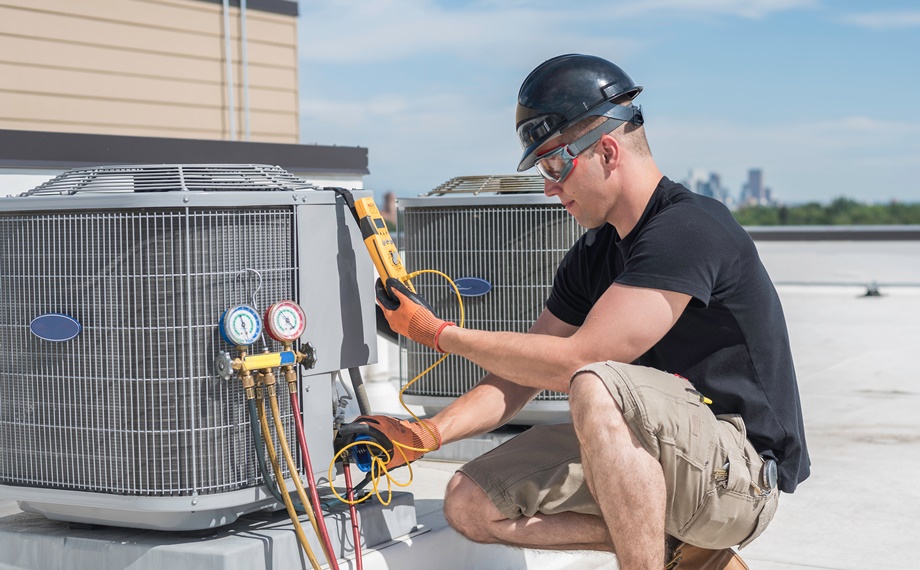
Air conditioning systems consist of several basic components that interact to give cooling. Recognizing the cooling cycle process is vital to comprehend just how these systems keep comfy interior temperature levels. This area will certainly explore both the crucial components and the mechanics behind their procedure.
Standard Components Explained
Cooling systems run via a series of fundamental elements that operate in consistency to manage indoor temperatures. The compressor offers as the heart of the system, pressing cooling agent and boosting its stress. The condenser, normally located outside, dissipates heat from the refrigerant, enabling it to change from a gas to a fluid. The development shutoff after that decreases the stress of the refrigerant, enabling it to cool down prior to entering the evaporator coil. Inside the evaporator coil, the refrigerant soaks up warmth from the interior air, properly cooling down the space. Finally, a blower fan circulates the cooled down air throughout the setting. Each element plays an important function in ensuring reliable procedure and excellent comfort within industrial and domestic setups.
Cooling Cycle Process
The cooling cycle procedure of an air conditioning unit is a thoroughly orchestrated series of occasions designed to get rid of warmth from indoor rooms. It begins with the evaporator coil, where cooling agent takes in heat from the interior air, transforming it from a liquid to a gas. This gas is after that compressed by the compressor, elevating its temperature level and stress. Next, the warm gas travels to the condenser coil, where it releases the soaked up warmth to the outside air, condensing back right into a fluid. The refrigerant after that streams to the development valve, where its stress drops, enabling it to vaporize once again in the evaporator coil. This constant cycle successfully decreases interior temperatures, preserving a comfortable environment.
Common Cooling Issues
Usual air conditioning problems can interrupt the performance of Heating and cooling systems when it comes to keeping interior comfort during warm climate. One widespread trouble is insufficient air conditioning, which may come from a dirty air filter, obstructed ducts, or cooling agent leakages. Unusual noises such as rattling or buzzing commonly suggest mechanical issues that call for interest. An additional regular concern is the system's failing to start, which could be connected to electrical issues or a malfunctioning thermostat. Furthermore, water leakages around the unit can indicate clogged up drainpipe lines or a damaged condensate pump, possibly leading to water damage. Last but not least, an uncommon increase in energy expenses might recommend inefficiencies within the system, prompting a requirement for maintenance. Resolving these usual concerns without delay can enhance the efficiency and longevity of a/c units, guaranteeing a comfortable indoor environment during scorching temperature levels.
Fixing Your A/c Unit
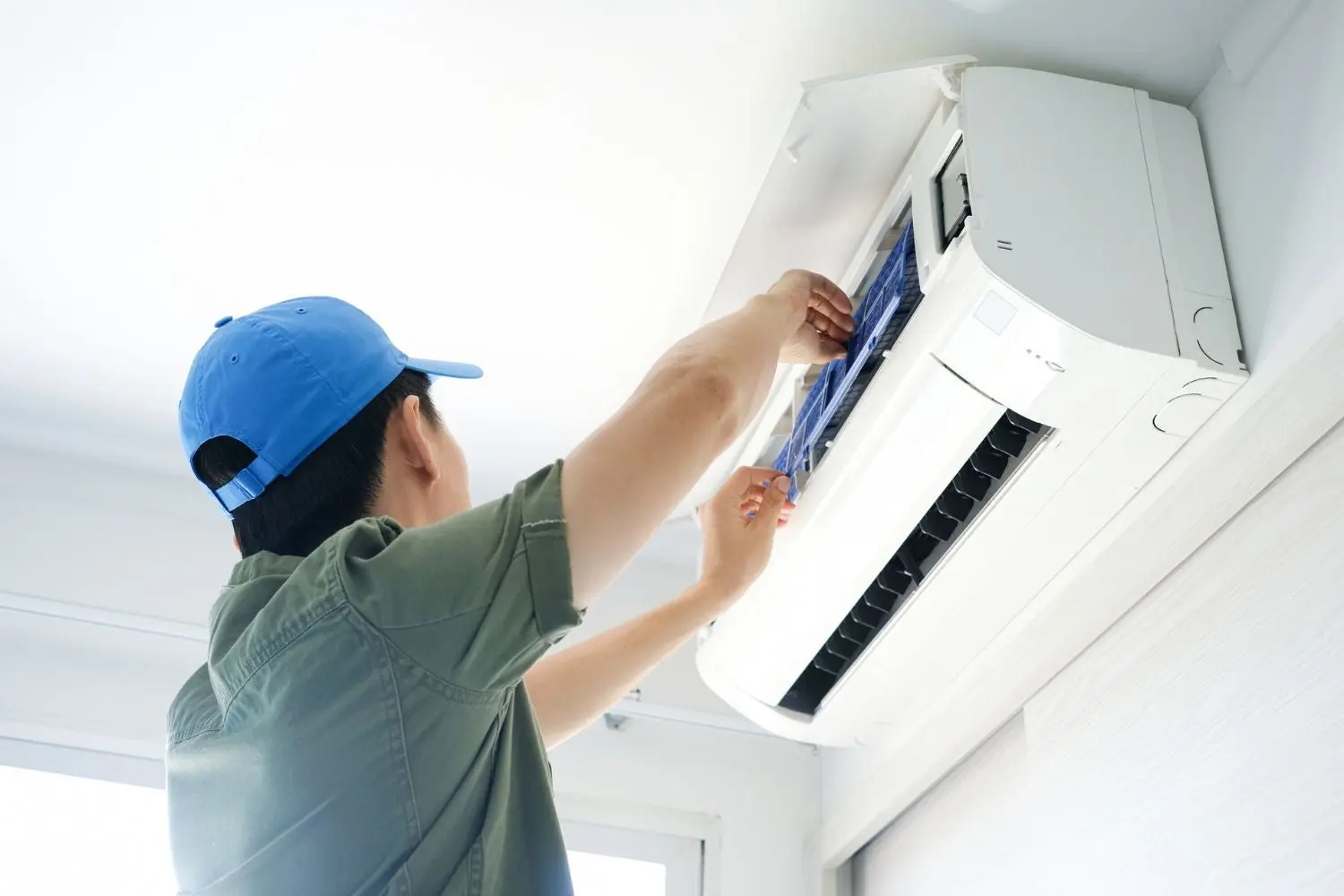
Fixing an air conditioning unit entails recognizing typical issues that might occur throughout procedure. By following basic repairing actions, homeowners can typically deal with problems before seeking expert assistance. Recognizing when to call in specialists is likewise vital for maintaining peak efficiency and efficiency.
Common Ac System Issues
Air conditioning unit, while important for maintaining convenience in homes and businesses, can come across a range of issues that disrupt their operation. Usual issues include inadequate air conditioning, wikipedia reference where the system stops working to lower the temperature level successfully, usually as a result of a refrigerant leak or a malfunctioning compressor. Another frequent issue is uncommon noises, which might indicate loosened parts or worn-out parts. Air movement troubles can develop from clogged filters or obstructed ducts, resulting in minimized effectiveness. Furthermore, water leakages can occur if the drain line is blocked or if the condensate pump falls short. Lastly, electrical problems, such as tripped breakers or faulty electrical wiring, can bring about system shutdowns. Recognizing these usual troubles allows for prompt interventions, making certain peak efficiency.
Fundamental Fixing Steps
Numerous house owners might experience issues with their cooling systems, however fundamental troubleshooting can usually fix these troubles without the requirement for specialist intervention. First, individuals ought to check the thermostat settings to confirm it is readied to cooling down setting and the preferred temperature. Next off, checking out the air filter for dirt and clogs is important, as a clean filter improves airflow and effectiveness. Homeowners should additionally evaluate the outdoor unit for debris that might obstruct air movement. Additionally, validating that breaker are not stumbled can prevent power problems. Lastly, paying attention for uncommon noises can show issues. By complying with these steps, numerous usual cooling issues can be attended to efficiently, guaranteeing a comfortable indoor atmosphere.
When to Call Professionals
Just how can a property owner identify when it's time to look for expert aid for their air conditioning system? Recognizing the signs of a malfunctioning unit is important. If the air conditioning unit fails to cool down properly, creates weird noises, or emits unpleasant smells, specialist treatment may be necessary. Furthermore, constant cycling on and off or obvious increases in power expenses can show underlying concerns that need skilled diagnostics. If they discover visible leaks or excessive moisture inside, house owners should additionally take into consideration calling a technician. Routine maintenance is essential, but when issues persist regardless of basic fixing initiatives, enlisting a specialist is the very best course of action to guarantee security and restore peak efficiency in the air conditioning system.
Important Maintenance Tips for A/c Solutions
Although heating and cooling systems are made for longevity, normal maintenance is essential to ensure their efficiency and longevity. One crucial tip is to replace or clean air filters each to 3 months, as stopped up filters hinder airflow and reduce efficiency. Furthermore, here checking and cleaning up the outdoor condenser unit helps protect against debris accumulation that can block airflow and warmth exchange. Air Conditioning Repair Tampa. Making sure that the thermostat is working effectively is additionally critical, as incorrect readings can bring about unnecessary energy consumption
Organizing seasonal professional inspections can determine prospective problems early, making certain peak efficiency. Home owners ought to likewise examine ductwork for leaks, which can substantially impact system performance. Preserving correct insulation around ducts and guaranteeing appropriate airflow can boost general system efficiency. By adhering to these upkeep suggestions, a/c systems can run better, providing comfort while lessening energy prices.
The Significance of Routine HVAC Evaluations
Routine cooling and heating assessments are crucial for maintaining system efficiency and protecting against pricey fixings. These evaluations enable qualified professionals to identify and attend to potential problems before they intensify, guaranteeing that the system operates at peak efficiency. Regular assessments can enhance energy performance, resulting in lowered utility expenses and a reduced environmental influence.
Regular inspections can extend the life-span of Heating and cooling units, as technicians clean components, replace filters, and examine for indications of wear. This aggressive method minimizes the possibility of unforeseen break downs during peak use periods. Furthermore, normal evaluations add to improved indoor air top quality by guaranteeing that the system is operating appropriately and efficiently filtering toxins.
Eventually, purchasing regular HVAC inspections cultivates a more comfy living setting and safeguards against the hassles and costs associated with emergency repair services. This technique is a key component of liable HVAC administration, benefiting both home owners and commercial homeowner alike.
Upgrading Your Heating And Cooling System: When to Consider It
When considering the long-lasting efficiency of a heating and cooling system, homeowners and residential or commercial property managers might ultimately deal with the choice to upgrade their units. A number of elements can affect this selection, consisting of efficiency, age, and power performance. Generally, a cooling and heating system older than 10-15 years may battle to provide adequate home heating or air conditioning, resulting in increased utility bills and pain.
Furthermore, regular repair services can indicate that an upgrade is necessary. If a system try this site calls for several solutions within a short duration, it might be extra affordable to spend in a brand-new system.
Furthermore, improvements in modern technology deal newer devices that are much more environmentally friendly and energy-efficient, potentially minimizing operating expenses. Property owners ought to also take into consideration modifications in their room demands, such as altering or including areas use patterns, which might demand a more robust system. Ultimately, recognizing these indicators can cause educated decisions concerning cooling and heating upgrades.
Regularly Asked Concerns
What Is the Average Life Expectancy of a Cooling System?
The typical life expectancy of an air conditioning system generally varies from 15 to 20 years, depending upon factors such as use, maintenance, and environmental problems. Appropriate treatment can expand this life-span past the typical span.
Just how much Does It Expense to Fix an A/c System?
The price to fix an a/c system differs commonly, normally ranging from $150 to $1,500, depending on the problem's intricacy, the called for parts, and labor prices, affecting total expenses for house owners looking for repairs.
What Are the Indications of an Ineffective Air Conditioning System?
Indicators of an ineffective a/c unit include irregular air conditioning, increased power bills, uncommon sounds, constant cycling on and off, and the existence of moisture or frost on the system. These indications recommend possible underlying issues calling for attention.
Can I Mount an A/c System Myself?
Considering self-installation of an a/c unit, one must review their technological abilities and knowledge. While it is feasible, incorrect setup may result in inadequacy and prospective damage, recommending expert assistance is often a good idea.
Exactly how Do I Choose the Right Dimension Ac Unit for My Home?
Choosing the ideal dimension a/c unit involves calculating the home's square video, considering insulation top quality, and examining environment variables. Appropriate sizing guarantees reliable cooling, power savings, and optimal convenience throughout the home.
HVAC systems, vital for preserving interior convenience, incorporate air flow, heating, and air conditioning modern technologies. Ventilation assures the circulation of fresh air, reducing indoor pollutants and keeping appropriate air top quality degrees. Air conditioning, though a different function, is integral to the Heating and cooling system, giving cooling alleviation throughout warmer durations. When it comes to preserving interior convenience during warm climate, usual air conditioning issues can interfere with the efficiency of Heating and cooling systems. Many homeowners may run into problems with their air conditioning systems, yet fundamental troubleshooting can usually settle these issues without the requirement for expert intervention.